Mental health and Integration
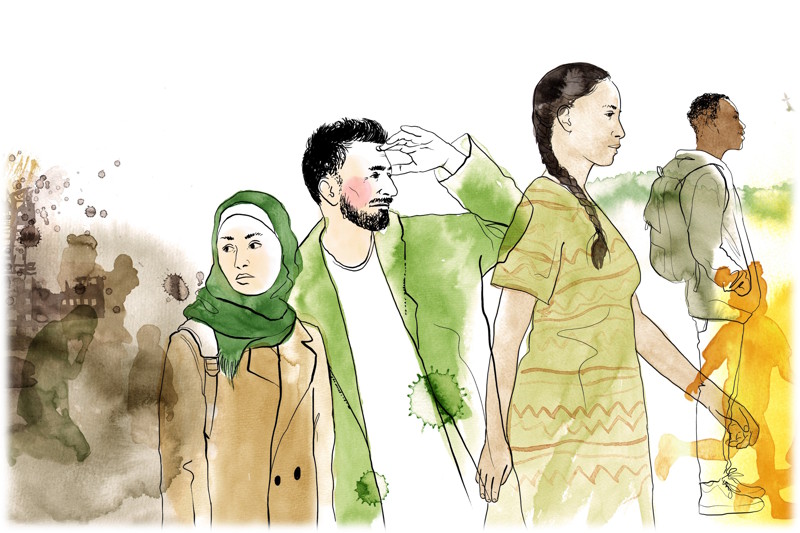 |
Many people who have fled their home country have experienced difficult and traumatic events before, during, or after their journey. These experiences can affect mental health and make it harder to cope with everyday life. They may also make it more difficult to establish a safe and stable life in Sweden. The AMIR project aims to better understand the relationship between mental health and integration. By participating, you will contribute to important research that can help improve support for people with a refugee background. Register HERE if you would like to take part in the study. |
The AMIR-project also offers support aimed at improving your mental health. On this page, you can find information about how traumatic experiences can affect mental health and learn more about the support offered through the project.
 |
Do you speak and read Swedish, Arabic, Farsi or Dari? You can click on the language icon in the right corner, or on the following links to read in your language: Swedish (Svenska), Arabic (العربية), Farsi (فارسی), Dari (دری). |
What is trauma-related mental distress?
A trauma is a very difficult and scary experience. It might be something you saw or lived through — like war, violence, an accident, or abuse.
After such experiences, you might feel unwell. You may have:
- strong and upsetting memories
- nightmares
- worry or anxiety
- trouble relaxing
- strong emotions that come suddenly
Sometimes these problems don’t go away on their own. They can make life feel harder.
Many people who have fled their home country have similar problems. This can include symptoms of post-traumatic stress, low mood or depression, worry or anxiety, or sleep problems.
Click the links below to learn more about these problems.
Symptoms of PTSD can appear after a very scary or dangerous experience. For example, if you thought that you or someone else might die or get seriously hurt.
If you have PTSD symptoms, you might:
- have strong memories that feel like it’s happening again
- feel afraid or easily startled
- be on high alert all the time
- feel numb or empty
- find it hard to feel joy or connect with others
Talking about difficult memories can help. Try not to avoid thoughts, images, or places that remind you of what happened. But this can feel very hard. If you feel bad for several months, you should get help. You can start by contacting a health center or reading more at 1177.se.
You can also join this project to get support and more information.
Depression can happen when big things happen in life — both good and bad.
When you are depressed, you may feel sad, empty, or hopeless for several weeks.
You may also:
- find it hard to feel joy
- sleep more or less than usual
- eat more or less than usual
- feel tired almost all the time
Many people with depression often want to be alone, but it's good to keep doing things you used to enjoy. It’s important to try to see friends and family, go to work or school, move your body and go outside, and stick to regular sleep and meal routines.
If you don’t start to feel better, it’s important to get help. You can contact a health center or read more at 1177.se.
You can also join his project to get support and more information.
Anxiety is a feeling of fear or discomfort.
It can be mild — like nervousness — or very strong, like panic. Sometimes you don’t know why you feel anxious, and sometimes you know what you are worried about.
Anxiety can feel like:
- pressure or discomfort in the body
- trouble breathing
- restlessness
- irritability
- trouble focusing
If you feel stuck in anxiety, try to break the pattern by doing something different — like taking a walk, listening to music, or talking to a friend. It can also help to write down your thoughts and feelings.
If the anxiety doesn’t go away and makes everyday life difficult, you should get help. You can contact a health center or read more at 1177.se.
You can also join this project to get support and information.
Sleep is important so we can feel well and have energy for everyday life.
Sleep problems mean that you might:
- have trouble falling asleep
- wake up during the night
- not sleep long enough
- not feel rested after sleeping
Some people also have nightmares. Sleep problems can be caused by stress, PTSD, depression, anxiety, or pain in the body.
If you slept badly at night, it might feel tempting to nap during the day. But that can make it even harder to sleep the next night. Try instead to sleep only at night, be active and go outside during the day, relax in the evening without screens, or get help for other problems that affect your sleep.
If you have sleep problems for several months, you should seek help. You can contact a health center or read more at 1177.se.
You can also join this project to get support and information.
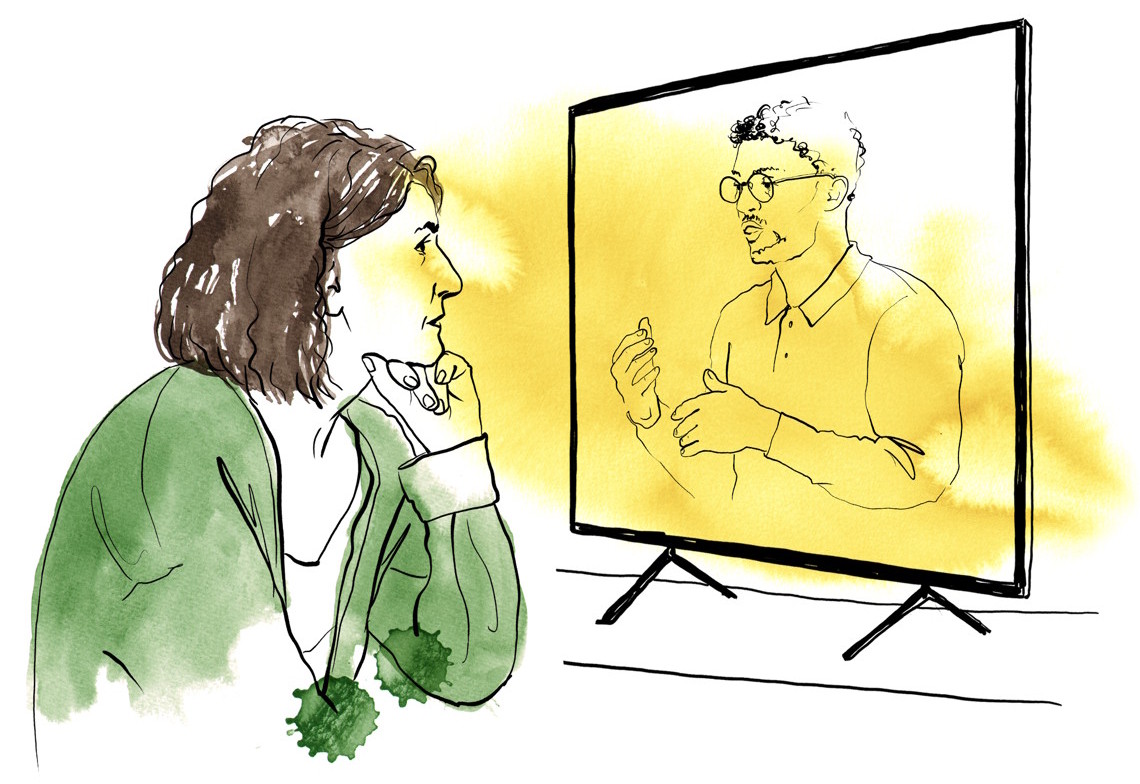 |
How can I get support through the project? If you are feeling unwell after difficult things that have happened in your life, you can receive help through the AMIR-project. When you sign up, we will find out what kind of support that will suit you best. The project takes place online, and we offer a course on mental health or an individual intervention that can reduce distress related to difficult memories. If none of the support options in the project suit you, we will help you find other support that may work better. If you do not wish to receive support, you can still participate in the project by completing questionnaires once a year for three years. |
Who can participate?
You can join the AMIR project if you:
- have fled your home country
- understand, read, and speak one of these languages: Arabic, Dari, Farsi, Swedish, or English
- are at least 18 years old
Our Research
Information, assessment, and support for trauma-related mental health
The AMIR research group has been working since 2016 to develop, translate, and adapt materials to identify and respond to mental health problems among individuals with refugee backgrounds. Many people who have fled their home countries struggle with their mental health because of difficult experiences — before, during, and after their flight — as well as challenges they face in their new country.
In this project, we want to share knowledge and the methods we have developed. We also want to evaluate the support we offer.
What are we studying?
We are evaluating whether mental health improves for individuals who receive support through the AMIR project. We are studying whether the support helps people better understand mental health, makes it easier to seek and accept help, and contributes to improved well-being.


This project is funded by the Asylum, Migration and Integration Fund (European Commission) and the Swedish Research Council.
About the research team
We are researchers and psychologists working to develop evidence-based and accessible methods to improve mental health among people who have fled their home countries. We aim to increase knowledge about mental health and improve access to care and support.




Anna Bjärtå
Associate Professor of Psychology
Mid Sweden University
Project Leader

Sajjad Afsharzada
Postdoctoral Researcher in Psychology
Mid Sweden University
Psychologist / Researcher
Annica Carlsson
Supervisor / Psychologist/ Psychotherapist
Mid Sweden university
Wahidh Talbian
Research Assistant
Mid Sweden University
Project Coordinator
Youstina Demetry
Youstina Demetry
PhD Student
Karolinska Institutet
Psychologist / Researcher
George Vlaescu
System Developer
Linköping University
IT Manager
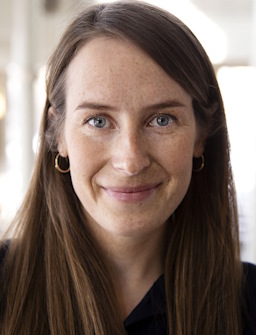
Jennifer Meurling
Postdoctoral Researcher in Psychology
Mid Sweden University
Psychologist / Researcher

Jasmine Hamad
PhD Student
Mid Sweden University
Psychologist / Researcher
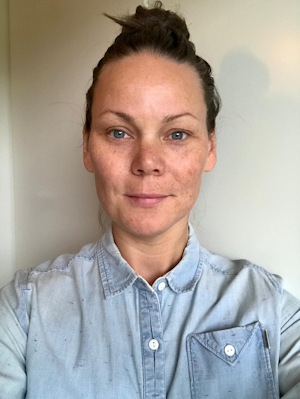
Lisa Lindström
PhD Student
Mid Sweden University
Psychologist / Researcher
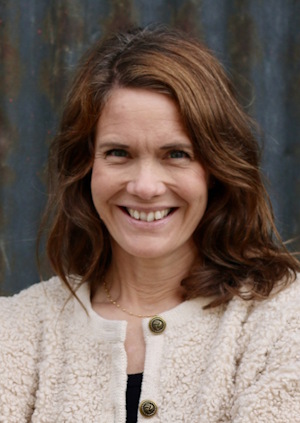
Elisabet Rondung
Associate Professor of Psychology
Mid Sweden University
Psychologist / Researcher

Mohammad Ali Amiri
PhD Student
Linköping University
Psychologist / Researcher
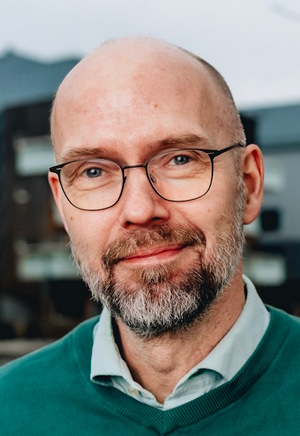
Gerhard Andersson
Professor of Psychology
Linköping University
Psychologist / Researcher
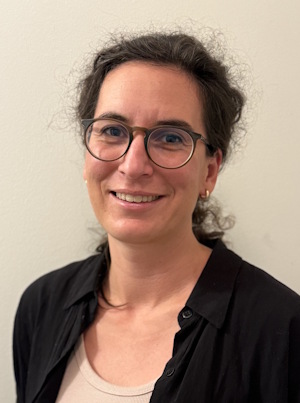
Hedvig Zetterberg
Senior Lecturer in Psychology
Mid Sweden University
Researcher
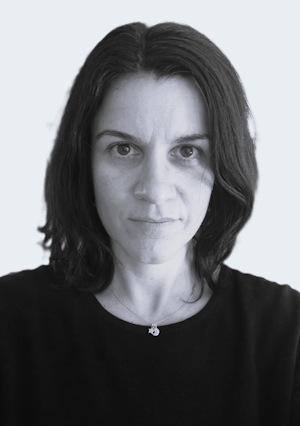
Monique Pfaltz
Professor
Mid Sweden University
Psychologist / Researcher
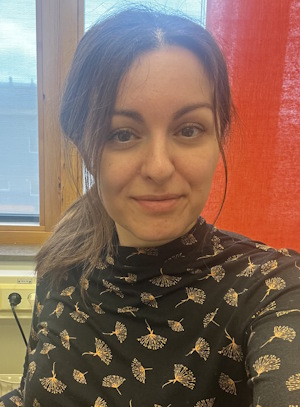
Alexandra Dylman
Associate Professor of Psychology
Mälardalen University
Researcher
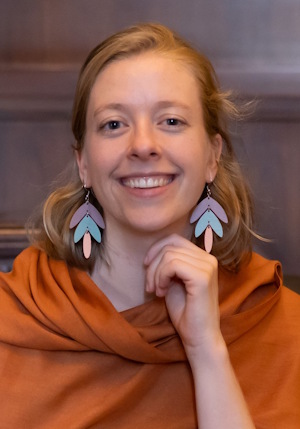
Catharina van der Boor
Associate Professor of Psychology
London School of Hygiene & Tropical Medicine
Researcher
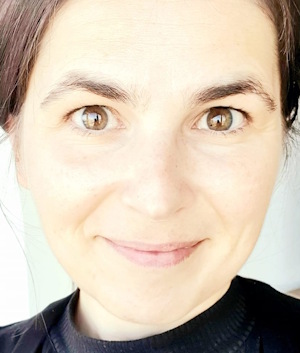
Marie France Schampoux Larsson
Associate Professor of Psychology
Mid Sweden University
Researcher
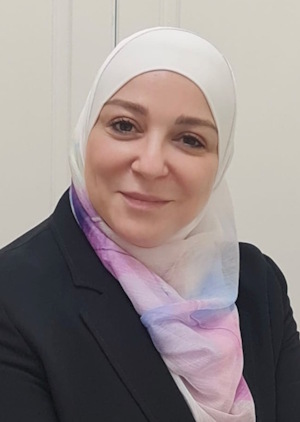
Hania Kutabi
Psychologist
Mid university
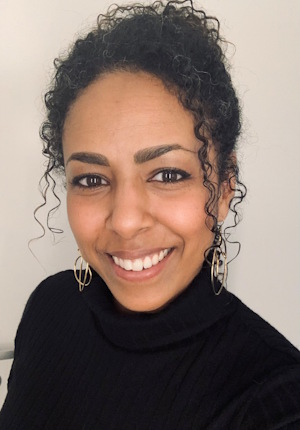
Hawine Merdasa
Clinical psychologist
Swedish Red Cross Treatment Centre for Persons Affected by War and Torture
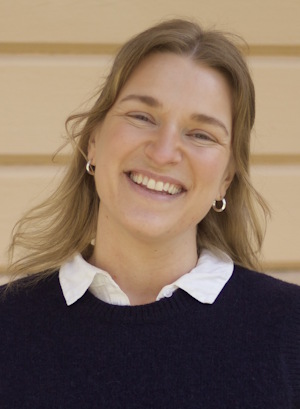
Ellen Paulsson
Research Assistant
Clinical Psychology Program